One of the first questions you will find your self asking when you come to China is “How to order food in Chinese?”.
Chinese people are spoiled by all sorts of tasty food and drinks that make their daily lives more “colorful”. Meanwhile, several flavor-related choices are always on offer when people order certain types of food and drinks in China. Let’s find out what they are.
1. NOT TOO SWEET:
Sweetness in Chinese
Bubble tea “奶茶“ (nǎichá) is extremely popular among young people in China, and many of them have got used to ordering a bubble tea after lunch. Bubble tea gained its popularity in China owing to a huge variety of flavors ranging from chocolate to tropical fruit. Meanwhile, many Chinese people nowadays attach great importance to leading a healthy lifestyle, therefore, they have specific requirements regarding the amount of sugar contained in the bubble tea. These requirements can be classified as:
- 全糖 (quán táng) • regular sugar
- 半糖 (bàn táng) • half sugar
- 少糖 (shǎo táng) • less sugar
- 无糖 (wú táng) • no sugar
2. NO ICE, PLEASE:
Amount of Ice in Chinese
Similar to what has been explained above, you are also expected to choose the amount of ice when purchasing soft drinks. Some people think an excessive amount of ice more or less dilutes the original taste, and there are three categories you can choose from:
- 正常冰 (zhèng cháng bīng) • regular ice
- 少冰 (shǎo bīng) • less ice
- 去冰 (qù bīng) • no ice (literally “get rid of ice”)
3. SPICE LIFE:
Spiciness of Ice in Chinese
China is well known for spicy food, with “四川火锅“ (Sìchuān huǒguō) • Sichuan hotpot being the quintessence of “Chinese spiciness”. Nevertheless, many expats in China can’t handle spiciness in that spicy dishes are not common in their countries. Well, if you are also one of them, you will have the opportunity to choose an appropriate degree of spiciness for yourself from the followings:
- 微辣 (wēi là) • mildly spicy
- 中辣 (zhōng là) • medium spicy
- 重辣 (zhòng là) • extra spicy (literally “heavy spicy”)
4. MEDIUM OR RARE:
Donneness in Chinese
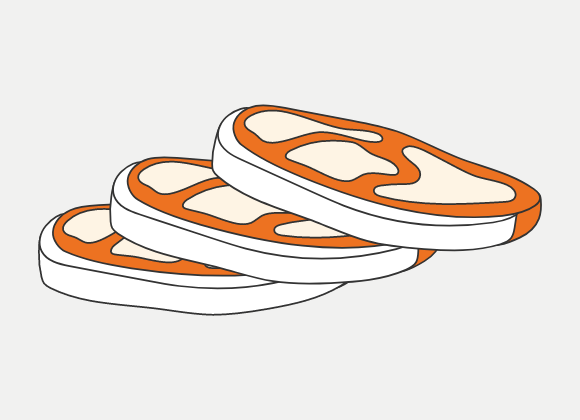
People from many different countries choose China to be their destination for career development as China is now playing a tremendous role in the international arena from an economic perspective. Consequently, more and more steak houses can be seen in major cities across China in that they, to a certain extent, cater to expats’ needs in western food. In China, odd numbers come in handy when you express how you would like your steak to be, and they are:
- 一分熟 (yī fēn shú) • rare (1/10 cooked)
- 三分熟 (sān fēn shú) • medium rare (3/10 cooked)
- 五分熟 (wǔ fēn shú) • medium (5/10 cooked)
- 七分熟 (qī fēn shú) • medium well (7/10 cooked)
- 全熟 (quán shú) • well done (fully cooked)
“How to Order Food in Chinese?” Conclusion
We hope this post about food in Chinese?” inspires you to speak Chinese a little more Chinese when dinning out! Try out your new skills and immerse yourself in the language. Explore different Chinese dishes and enhance your dining experience. If there are specific foods you’re curious about or phrases you’d like to learn, don’t hesitate to dive in. Embrace the adventure of learning Chinese, and make your next restaurant visit even more enjoyable. Happy dining and happy learning!
If you enjoyed this article on “How to Order Food in Chinese?” you may also enjoy the “Best Youtube Channels for Learning Mandarin Chinese“!

Leave a Reply
You must be logged in to post a comment.