Shangri-La Tours
Shangri-La Tours
Shangri-La in Yunnan Province in south China was once known as Zhongdian (a Mandarin name). In 2002, it was renamed Shangri-La to promote tourism after the fictional Tibetan place in Lost Horizon by James Hilton, who got some of his inspiration from descriptions by explorer Joseph Rock, who spent 27 years in Yunnan near Shangri-La. Shangri-La means ‘the Sun and Moon in the Heart’ in Tibetan.
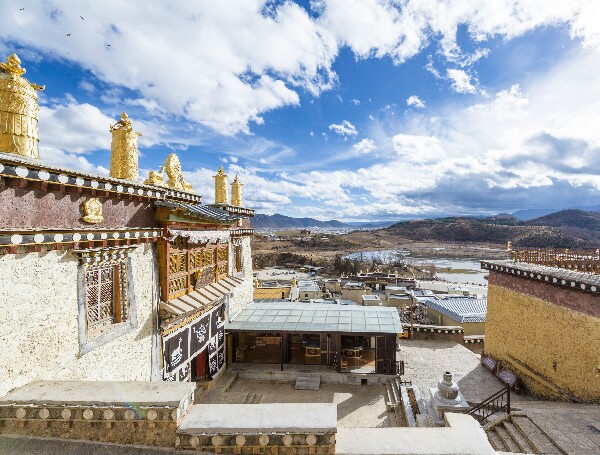
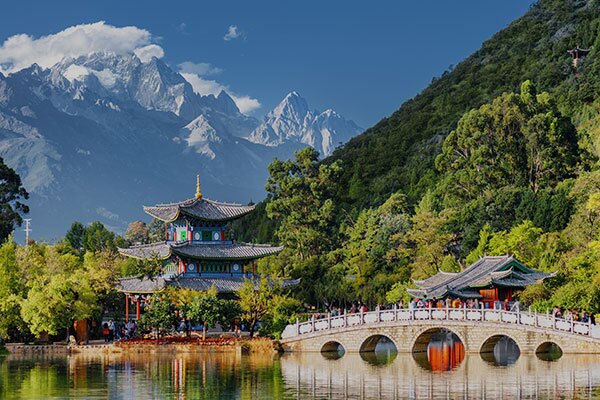
Located on the southeast edge of the Qinghai-Tibet Plateau, Shangri-La enjoys magnificent mountain-scapes — snow-capped mountains, deep gorges, rushing rivers, and tranquil lakes. The biggest Tibetan Buddhist Temple in Yunnan Province, Songzanlin Lamasery, is the spiritual symbol of Shangri-La.
- The best times to visit Shangri-La are May and June, September and October. In May and June, azalea flowers blossom all over the mountains. But autumn offers the spectacular color changes, when the leaves of the trees are ablaze with color and Shangri-La is at its most enchanting.
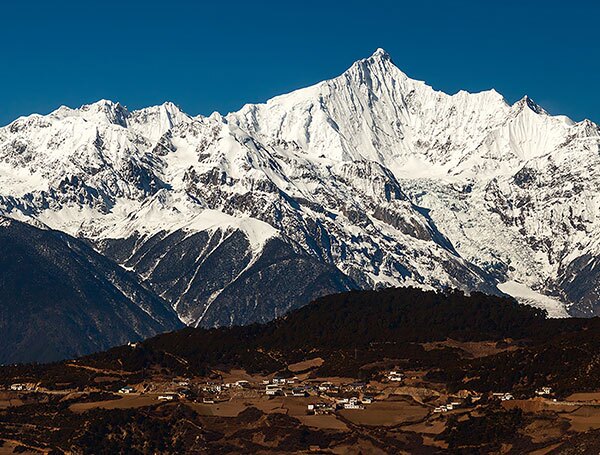
- The scenery in July and August is still wonderful and it’s still cool, but these months are most likely be very rainy. If you would like to see the Meili Snow Mountains, dry winter is the best time despite the cold, because it is clear enough most of the time.
- Transportation to Shangri-La is not as convenient as for popular cities Dali and Lijiang further down the valley. There are several direct flights from Kunming per day but few flights from a few other China cities: Chengdu, Lhasa, Chongqing, Guangzhou, and Shenzhen. The high-speed railway to Shangri-La is still under construction.
- Normally we suggest 2 nights / 3 days if you would like to take in the highlights of Shangri-La. One or two more nights are needed for an in-depth exploration to visit a less touristy Tibetan village or go hiking near Shangri-La, to learn how to paint a thangka or to experience a pilgrimage to the Meili Snow Mountains.
The Shangri-La tours that we recommended will enable you to see the best of Shangri-La and enrich your experience with some exclusive activities such as visiting a lama’s dormitory, thangka painting lessons, and extension tours to the best-kept secrets of Shangri-La.
Top Recommended Yunnan Shangri-La Tours
The suggested itineraries for a private Shangri-La tour below will give you some inspiration. Please feel free to contact us no matter if you would like to combine it with the popular cities in Yunnan or would like to get off the beaten path to explore more about Shangri-La area.
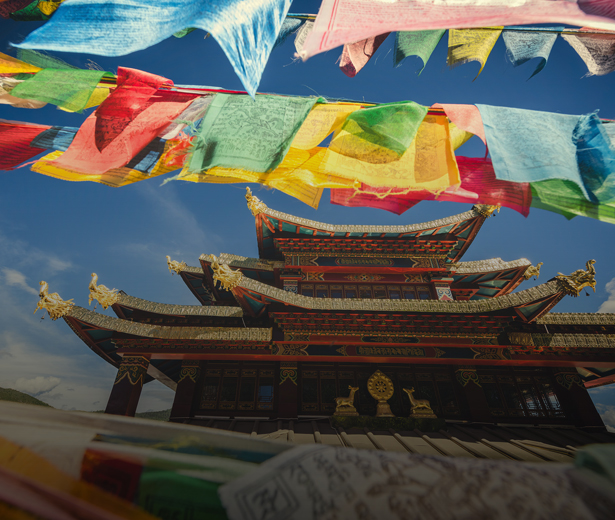
- Songzanlin Lamasery
- Tangka painting learning
Yunnan Tours including Shangri-La
Here are the recommended Yunnan tours including Shangri-La We are happy to combine any other destinations with Shangri-La according to your interests to create your private trip.
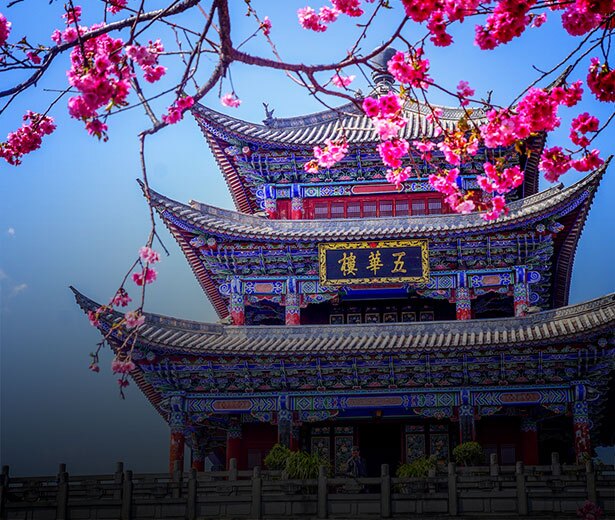
- Mountains and Old Towns
- Ethnic Minorities
Other Popular Destinations in Yunnan
Here are the other popular cities for a Yunnan tour. Click to get more information about each destination and tours
Shangri-La Travel Tips
The altitude of Shangri-La is 3,300 meters above sea level. Most of our clients don’t experience any altitude sickness problems. However, if you have a problem with your breathing or blood pressure, etc. please ask your doctor if you can visit Shangri-La.
Shangri-La has an alpine plateau climate. There is no “summer” in this area. Temperatures are cool to well below freezing, and the range on one day could be as big as 20°C (36°F). Dress and pack accordingly!
The rainy season is from late May to late September, with high rainfall in July and August. The vegetation dries yellow in winter (November to March), but snow is likely, bestowing a more austere beauty than in other seasons. Read more
 yubeng village
There are some less-visited but really beautiful sites around Shangri-La. If you have a heart for adventure and would like to discover some of the best-kept secrets of Shangri-La, read on and contact us to fulfill your dreams.
The Meili Snow Mountains are a holy focus of pilgrimage for Tibetan Buddhists. The view of the 13 snow-capped peaks is breathtaking at sunrise. The main peak Kawagebo has never been summitted because local Tibetan people believe that the god who lives on it will get angry and leave if humans dare to go to the top.
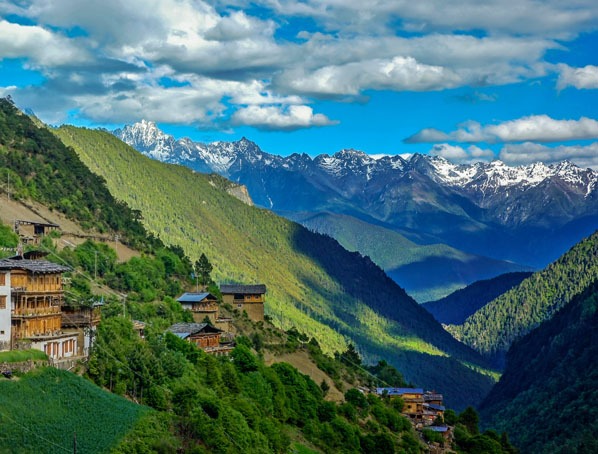
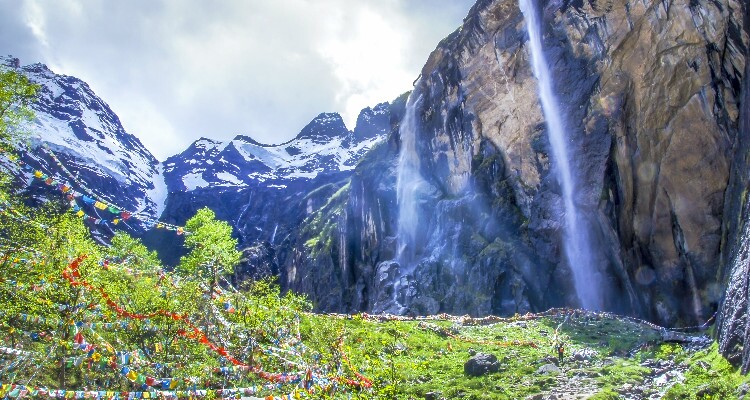
Yubeng Village at the foot of the Meili Snow Mountains is a real paradise. You can only get there by hiking. Its forests, waterfalls, lakes, meadows, glaciers, and Tibetan culture are worthy of a 4-day 55-kilometer (34-mile) hike.
Baima Snow Mountain (the ‘White Horse’ Snow Mountains) is a national nature reserve. Its rich animal and plant life give it the appellation ‘Kingdom of Animals and Plants on a Cold Temperate Mountain’. A one-day hiking tour is recommended if you would like to discover this area.
Tacheng: Located between the Yangtze and Mekong gorges, Tacheng has the best primeval temperate forest in Yunnan. It is the home of the Yunnan golden monkey. They are the only primates living at an altitude of 3,000–4,500 meters above sea level, excluding humans. Just like pandas, they are a national treasure of China.

Leave a Reply
You must be logged in to post a comment.