Cost of Living in Hangzhou
Cost of Living in Hangzhou
Cost of Living in Hangzhou
Planning to move to or live in Hangzhou? This scenic city, known for its beautiful West Lake, rich history, and booming tech industry, offers a comfortable lifestyle.
Here’s a breakdown of the average monthly expenses you might expect in Hangzhou as of 2025:
This page offers a rough guide to prices in Hangzhou. Costs can vary depending on your lifestyle, preferences, and spending habits.
Housing is the largest variable in your cost of living.
Prices can range depending on the location, rental type, and duration of stay.
To make budgeting easier and more flexible, we’ve put together some recommended options in Hangzhou tailored to how long you’ll be staying:
- Short-Term (Under 1 Month)
✅ Hotel:
Flexible, hassle-free, no utilities to manage.
- Medium-Term Stay (1–3 Months)
✅ Homestay:
Experience full cultural and language immersion by living with a Chinese family — perfect for students looking to rapidly improve their Mandarin.
✅ Serviced Apartment:
Enjoy comfort and convenience with a higher standard of living — ideal for students who prioritize privacy and quality.
- Long-Term Stay (3–6 Months)
✅ Shared Apartment:
Ideal for students on a budget.
Prices range from ¥2,000 to ¥6,000/month, depending on location, apartment type, rental period, and how you find the listing.
Once you’ve enrolled in the course, your dedicated Course Consultant will be happy to recommend several partner hotels—typically within a 10-minute walk from our schools—or connect you with trusted rental agencies.
Hangzhou offers a wide range of food choices, from cheap local eats to fine dining.
- Meal in local restaurant: RMB 30-60/meal
- Western restaurant: RMB 70-100/meal
- Coffee in Western-style cafe: RMB 30-35/cup
- Beer (bar/pub): RMB 40–80
- Water: RMB 3-4/bottle
- Fast food meal: RMB 35-50
On average, a single person might spend around RMB 1,200-2,500 per month on groceries.
Grocery prices in Beijing can vary depending on where you shop and your eating habits. This can be higher if you prefer imported goods or organic products.
🥕 Wet markets offer fresh produce at lower prices than supermarkets.
🚇 Hangzhou’s metro system is efficient and expanding, making commuting easy.
- Metro ride: RMB 2-5 per trip
- Monthly metro pass: ~RMB 200
- Bus ride: RMB 2-5 per ride
- Bike rental: ~RMB 20/month
🚕 Although public transport is popular, ride-hailing services like Didi and local taxis are also widely used and easy to find in China.
Didi (Chinese Uber): RMB 20-50 for a short ride
Didi (from the airport to the city center): ~RMB 150
Local taxi: starting from RMB 13
NOTE:
Local taxis have a starting fare that usually covers the first 3 kilometers. After that, the meter begins to calculate the cost based on distance. To make sure the driver turns on the meter, you can say:
请打表。
Qǐng dǎ biǎo.
Please use the meter.
Here’s a rough breakdown for a standard one-bedroom apartment:
- Electricity: ~RMB 100–300/month, depending on air conditioning or heater use.
- Water: ~RMB 30–60/month for regular use.
- Gas: ~RMB 20–80/month, mostly used for cooking and sometimes heating water.
- Internet: ~RMB 100–150/month for a decent broadband package (with speeds of 100–300 Mbps). Some apartments offer Wi-Fi included in the rent.
- Mobile phone plan: a typical plan with data, calls, and texts costs around RMB 50–100/month, depending on the carrier and package.
- Heating (Winter, optional): RMB 500–800/month (high gas/electricity usage).
Hangzhou offers a wide range of leisure activities to suit different lifestyles and budgets. Here’s a general idea of what you can expect to spend on daily life and entertainment:
- Gym membership: ~RMB 4,000–8,000/year, (middle and high-end fitness clubs).
- Yoga, pilates, and boutique fitness classes: ~RMB 150-200/per class.
- Movie ticket: RMB 40–70 for regular ticket, and RMB 100 for IMAX or 3D formats.
- Drink at a bar: from RMB 60–100
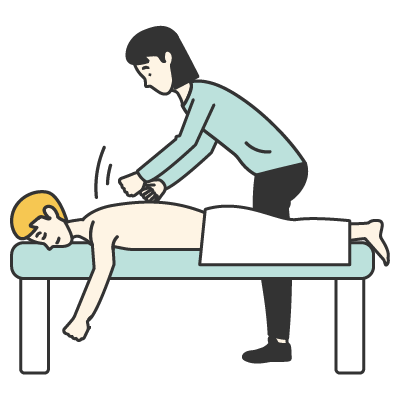
- Massage: RMB 80–150/hour at local spas; RMB 300–500/hour at high-end wellness centers.
- Museums & exhibitions: ~ RMB 20–60
Monthly Budget
Here’s what a single person can expect to spend monthly across different lifestyles:
💡This is just a general estimate. Your actual spending can be lower or higher depending on your choices — whether you cook at home or eat out often, take the metro or use taxis, go out every weekend or prefer quiet nights in.
Thinking about joining our courses? Have questions?
Reach out to us — we’re here to help!
Contact Us
← Cost of Living in BeijingCost of Living in Suzhou →
Cost of Living in Hangzhou
Planning to move to or live in Hangzhou? This scenic city, known for its beautiful West Lake, rich history, and booming tech industry, offers a comfortable lifestyle.
Here’s a breakdown of the average monthly expenses you might expect in Hangzhou as of 2025:
This page offers a rough guide to prices in Hangzhou. Costs can vary depending on your lifestyle, preferences, and spending habits.
Housing is the largest variable in your cost of living.
Prices can range depending on the location, rental type, and duration of stay.
To make budgeting easier and more flexible, we’ve put together some recommended options in Hangzhou tailored to how long you’ll be staying:
- Short-Term (Under 1 Month)
✅ Hotel:
Flexible, hassle-free, no utilities to manage.
- Medium-Term Stay (1–3 Months)
✅ Homestay:
Experience full cultural and language immersion by living with a Chinese family — perfect for students looking to rapidly improve their Mandarin.
✅ Serviced Apartment:
Enjoy comfort and convenience with a higher standard of living — ideal for students who prioritize privacy and quality.
- Long-Term Stay (3–6 Months)
✅ Shared Apartment:
Ideal for students on a budget.
Prices range from ¥2,000 to ¥6,000/month, depending on location, apartment type, rental period, and how you find the listing.
Once you’ve enrolled in the course, your dedicated Course Consultant will be happy to recommend several partner hotels—typically within a 10-minute walk from our schools—or connect you with trusted rental agencies.
Hangzhou offers a wide range of food choices, from cheap local eats to fine dining.
- Meal in local restaurant: RMB 30-60/meal
- Western restaurant: RMB 70-100/meal
- Coffee in Western-style cafe: RMB 30-35/cup
- Beer (bar/pub): RMB 40–80
- Water: RMB 3-4/bottle
- Fast food meal: RMB 35-50
On average, a single person might spend around RMB 1,200-2,500 per month on groceries.
Grocery prices in Beijing can vary depending on where you shop and your eating habits. This can be higher if you prefer imported goods or organic products.
🥕 Wet markets offer fresh produce at lower prices than supermarkets.
🚇 Hangzhou’s metro system is efficient and expanding, making commuting easy.
- Metro ride: RMB 2-5 per trip
- Monthly metro pass: ~RMB 200
- Bus ride: RMB 2-5 per ride
- Bike rental: ~RMB 20/month
🚕 Although public transport is popular, ride-hailing services like Didi and local taxis are also widely used and easy to find in China.
Didi (Chinese Uber): RMB 20-50 for a short ride
Didi (from the airport to the city center): ~RMB 150
Local taxi: starting from RMB 13
Local taxis have a starting fare that usually covers the first 3 kilometers. After that, the meter begins to calculate the cost based on distance. To make sure the driver turns on the meter, you can say:
请打表。
Qǐng dǎ biǎo.
Please use the meter.
Here’s a rough breakdown for a standard one-bedroom apartment:
- Electricity: ~RMB 100–300/month, depending on air conditioning or heater use.
- Water: ~RMB 30–60/month for regular use.
- Gas: ~RMB 20–80/month, mostly used for cooking and sometimes heating water.
- Internet: ~RMB 100–150/month for a decent broadband package (with speeds of 100–300 Mbps). Some apartments offer Wi-Fi included in the rent.
- Mobile phone plan: a typical plan with data, calls, and texts costs around RMB 50–100/month, depending on the carrier and package.
- Heating (Winter, optional): RMB 500–800/month (high gas/electricity usage).
Hangzhou offers a wide range of leisure activities to suit different lifestyles and budgets. Here’s a general idea of what you can expect to spend on daily life and entertainment:
- Gym membership: ~RMB 4,000–8,000/year, (middle and high-end fitness clubs).
- Yoga, pilates, and boutique fitness classes: ~RMB 150-200/per class.
- Movie ticket: RMB 40–70 for regular ticket, and RMB 100 for IMAX or 3D formats.
- Drink at a bar: from RMB 60–100
- Massage: RMB 80–150/hour at local spas; RMB 300–500/hour at high-end wellness centers.
- Museums & exhibitions: ~ RMB 20–60
Here’s what a single person can expect to spend monthly across different lifestyles:
Thinking about joining our courses? Have questions?
Reach out to us — we’re here to help!
Cost of Living in Chengdu
Cost of Living in Suzhou
Cost of Living in Hangzhou
Cost of Living in Beijing
Get a Free Trial Chinese Class
with That’s Mandarin online
Planning to move to or live in Hangzhou? This scenic city, known for its beautiful West Lake, rich history, and booming tech industry, offers a comfortable lifestyle.
Here’s a breakdown of the average monthly expenses you might expect in Hangzhou as of 2025:
Housing is the largest variable in your cost of living.
Prices can range depending on the location, rental type, and duration of stay.
To make budgeting easier and more flexible, we’ve put together some recommended options in Hangzhou tailored to how long you’ll be staying:
- Short-Term (Under 1 Month)
✅ Hotel:
Flexible, hassle-free, no utilities to manage.
- Medium-Term Stay (1–3 Months)
✅ Homestay:
Experience full cultural and language immersion by living with a Chinese family — perfect for students looking to rapidly improve their Mandarin.
✅ Serviced Apartment:
Enjoy comfort and convenience with a higher standard of living — ideal for students who prioritize privacy and quality.
- Long-Term Stay (3–6 Months)
✅ Shared Apartment:
Ideal for students on a budget.
Prices range from ¥2,000 to ¥6,000/month, depending on location, apartment type, rental period, and how you find the listing.
On average, a single person might spend around RMB 1,200-2,500 per month on groceries.
Grocery prices in Beijing can vary depending on where you shop and your eating habits. This can be higher if you prefer imported goods or organic products.
🥕 Wet markets offer fresh produce at lower prices than supermarkets.
NOTE:
Local taxis have a starting fare that usually covers the first 3 kilometers. After that, the meter begins to calculate the cost based on distance. To make sure the driver turns on the meter, you can say:
请打表。
Qǐng dǎ biǎo.
Please use the meter.
Monthly Budget
Here’s what a single person can expect to spend monthly across different lifestyles:
Estimated Monthly Cost
💡This is just a general estimate. Your actual spending can be lower or higher depending on your choices — whether you cook at home or eat out often, take the metro or use taxis, go out every weekend or prefer quiet nights in.
Get a Free Trial Chinese Class
with That’s Mandarin online




Leave a Reply
You must be logged in to post a comment.