There are a lot of different ways of preparing food in Chinese cuisine. Whether you’re quickly stir-frying a meal or slowly braising a complex dish, understanding key cooking verbs is essential for mastering Chinese cooking vocabulary.
Here’s a guide to some common Chinese cooking verbs and how they’re used in recipes.
10 Essential Chinese Verbs for Cooking
01. To Bake / Roast
In Chinese cuisine, the term 烤 (kǎo) refers to roasting and baking techniques, both of which use dry heat to cook food.
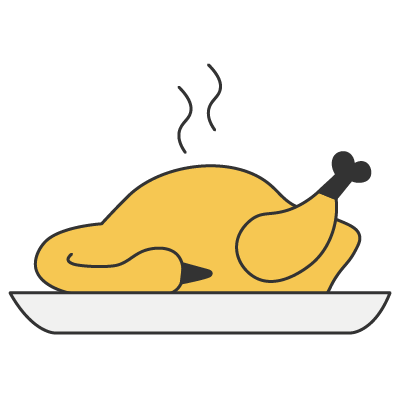
烤
kǎo
to roast
ICONIC DISHES
(北京) 烤鸭
(Běijīng) kǎoyā
(Peking) roast duck
Peking duck is seasoned, air-dried, and roasted until the skin is crispy and golden brown.
月饼
yuèbǐng
mooncake
Mooncakes come in various flavors, including lotus seed paste, red bean paste, and salted egg yolk.
02. To Stir-fry
Stir-frying, a popular Chinese cooking technique, involves quickly cooking ingredients in a small amount of oil over high heat.
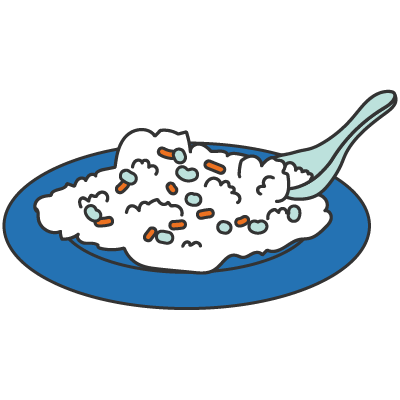
炒
chǎo
to stir-fry
ICONIC DISH
炒饭
chǎo fàn
fried rice
Fried rice involves stir-frying cooked rice with various ingredients such as vegetables, eggs, meat, and seasonings.
03. To Deep Fry
炸 (zhá), or deep-frying, is a popular cooking technique in Chinese cuisine that creates dishes with a crispy, golden exterior and a tender interior.

炸
zhá
to deep fry
ICONIC DISH
炸春卷
zhá chūnjuǎn
fried spring rolls
Spring rolls are a popular appetizer made with thin pastry wrappers filled with a mixture of vegetables, meat, or seafood, then deep-fried until golden and crispy.
04. To Boil
Boiling involves cooking food in a liquid, typically water or broth, at or near its boiling point. This technique is used to cook a wide range of ingredients, from vegetables and meats to noodles and dumplings.
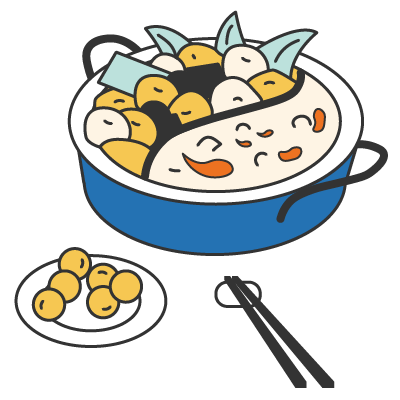
煮
zhǔ
to boil
ICONIC DISHES
火锅
huǒguō
hot pot
A popular Chinese dining experience where diners cook a variety of ingredients in a communal pot of boiling broth at the table.
茶叶蛋
cháyèdàn
tea egg
A tea egg is a boiled egg that is cracked slightly and then boiled again in a mixture of tea, sauce, and spices. It’s known as a marble egg due to the shell’s cracked, marble-like appearance.
05. To Steam
蒸 (zhēng) is a cooking technique where food is placed in a steamer basket over boiling water, making the steam to gently cook it.
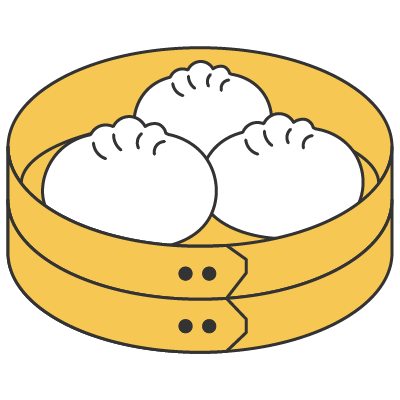
蒸
zhēng
to steam
ICONIC DISH
小笼包
xiǎolóngbāo
steamed dumpling
小笼包 (xiǎolóngbāo), or soup dumplings, are known for their delicate wrapper, flavorful filling, and piping-hot soup inside.
06. To Pan-fry
Pan-frying is a popular Chinese cooking technique that involves cooking food in a small amount of oil over medium to high heat in a pan.
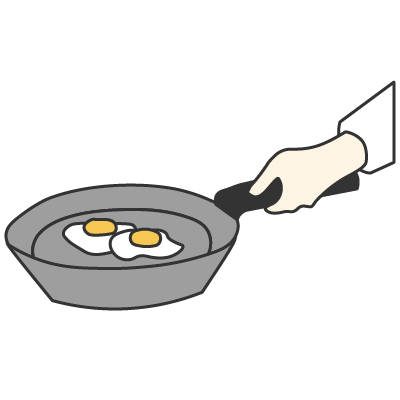
煎
jiān
to pan-fry
ICONIC DISH
煎饼
jiānbing
jianbing, a savory Chinese crêpe
Chinese savory pancakes are a beloved Chinese street food and breakfast item, they are made from a thin batter that is spread over a griddle and cooked until golden brown.
07. To Stew
Braising (炖 dùn) involves simmering ingredients in a covered pot with liquid, which can be water, broth, or sauce. This technique is used to cook tougher cuts of meat, or root vegetables, transforming them into tender, flavorful dishes.

炖
dùn
to stew
ICONIC DISH
红烧牛肉面
hóngshāo niúròumiàn
braised beef noodles
Classic Chinese dish featuring chunks of pork belly braised in a savory-sweet sauce made from soy sauce, sugar, rice wine, and aromatics.
08. To Marinate
In Chinese culture, pickling or marinating preserves vegetables by soaking them in seasoned liquid. This method enhances flavor and tenderizes ingredients, making them more enjoyable to eat.

腌
yān
to marinate
ICONIC DISH
腌黄瓜
yān huángguā
pickled cucumbers
This tangy, crunchy, and refreshing snack is not only easy to prepare but also versatile, making it a favorite in many households.
09. To Cold Toss
凉拌 (liángbàn), or cold tossing, is a refreshing and flavorful technique in Chinese cuisine used to prepare salads and cold dishes. This method involves mixing raw or lightly cooked ingredients with various seasonings.
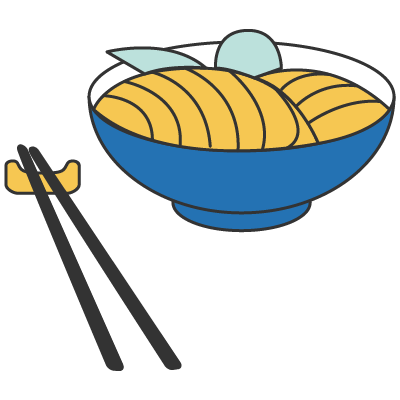
凉拌
liángbàn
to cold toss
ICONIC DISH
凉拌面
liángbàn miàn
cold noodles
Noodles tossed with vegetables, peanuts, and a tangy, spicy sauce.
10. To Season / Flavor
调味 (tiáowèi), or seasoning can be done at various stages of cooking, from marinating ingredients to adding final touches before serving.

调味
tiáowèi
to season
Here are some frequently used seasonings and spices in Chinese cuisine:
姜 (jiāng) · ginger
蒜 (suàn) · garlic
醋 (cù) · vinegar
酱油 (jiàngyóu) · soy sauce
海鲜酱 (hǎixiān jiàng) · hoisin sauce
芝麻油 (zhīma yóu) · sesame oil
五香粉 (wǔxiāng fěn) · five-spice powder
Practice With Teacher
To discuss Chinese cuisine and these verbs with Chinese teachers at That’s Mandarin, book a free trial class.

Leave a Reply
You must be logged in to post a comment.