The Silk Road Travel Guide
The Silk Road Travel Guide
The Silk Road trade route was recognized about 2,100 years ago in China for its trade and travel from China’s Han Empire to Central Asia and Europe, and it revolutionized the world until it declined during the Ming Dynasty (1368–1644).
Our Silk Road travel guide offers best places to visit, top things to do, how to plan your Silk Road trip and more travel tips.
Content Preview
- Top Places to Visit
- How to Plan a Silk Road Trip
- Top Private Silk Road Tours
- 8 FAQs to Understand the Silk Road
Top Places to Visit on Silk Road
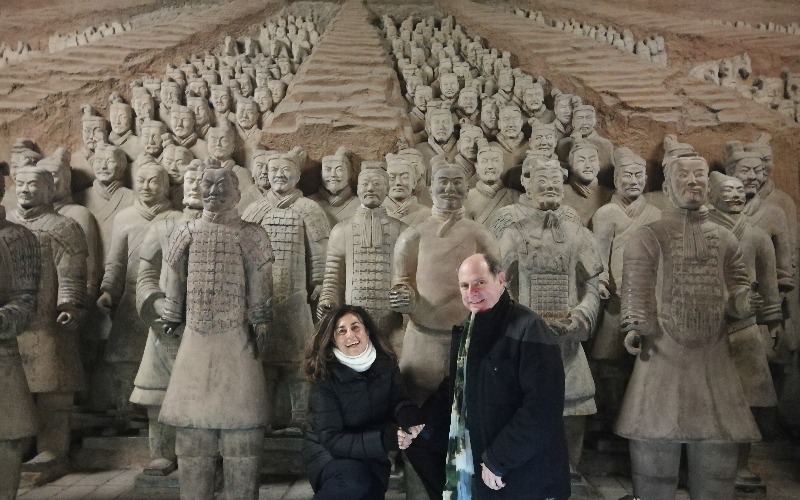 Xi’an
Xi’an 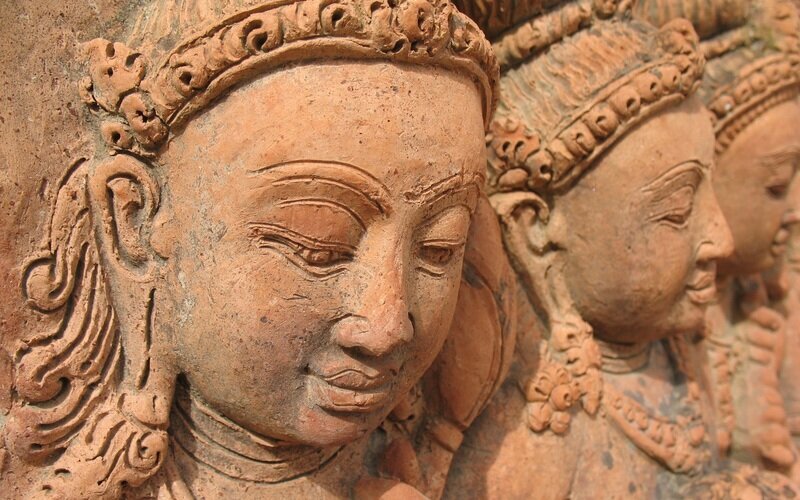 Dunhuang
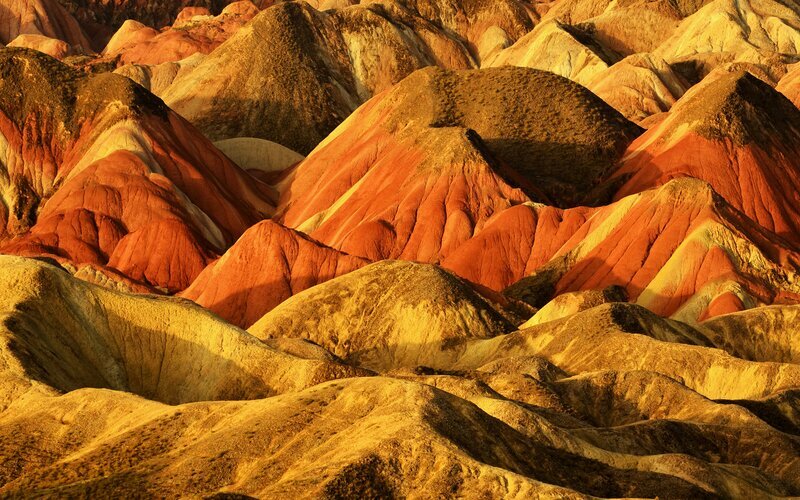 Zhangye
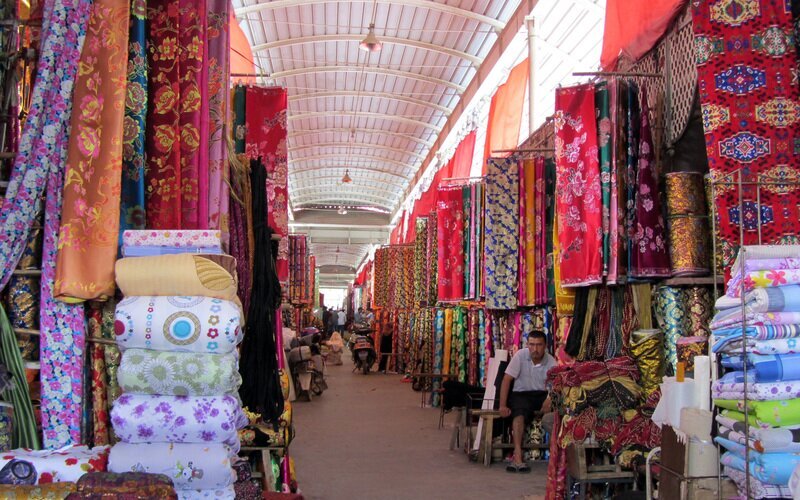 Urumqi
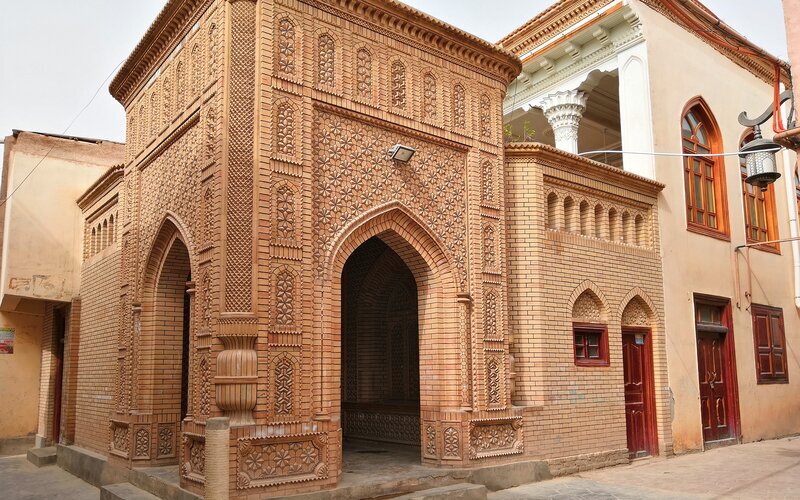 Kashgar
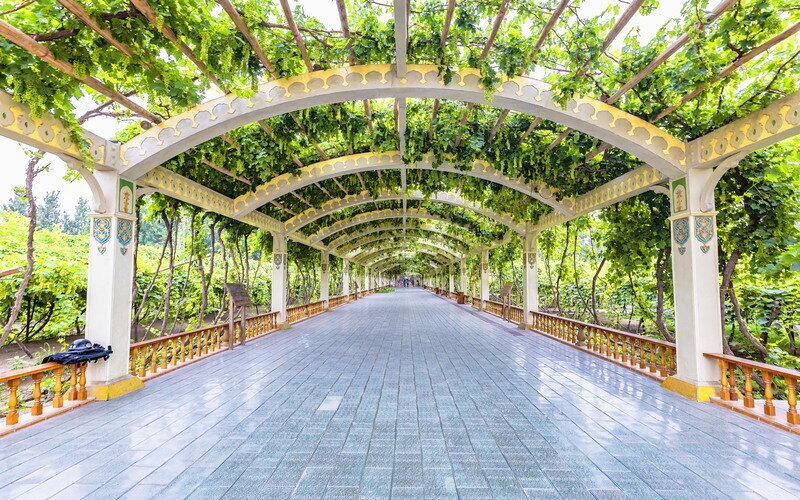 Turpan
 How to Plan a Trip to Silk Road
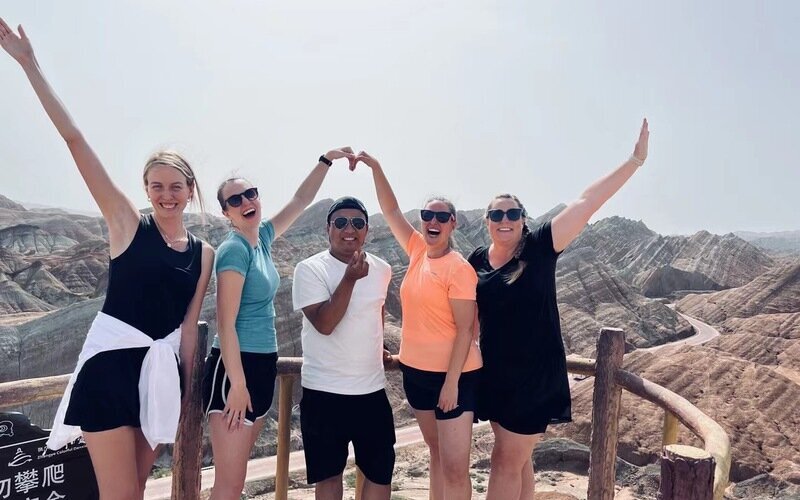 7 Things You Need to Know
 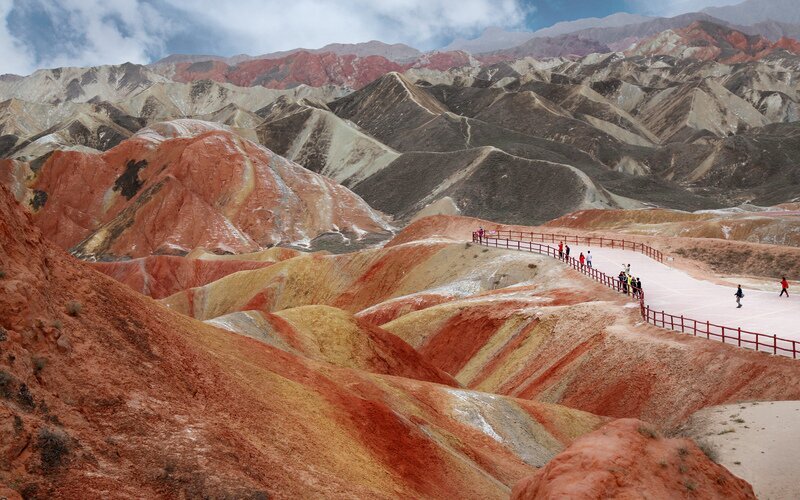 Best Times to Visit the Silk Road
 How Long to Spend on the Silk Road
Top Private Silk Road Tours
Explore the ancient Silk Road’s history and culture with our curated itineraries, offering a mix of quick tours and immersive experiences. Our team of advisors can customize these itineraries according to your preferences, ensuring you enjoy a memorable travel experience.
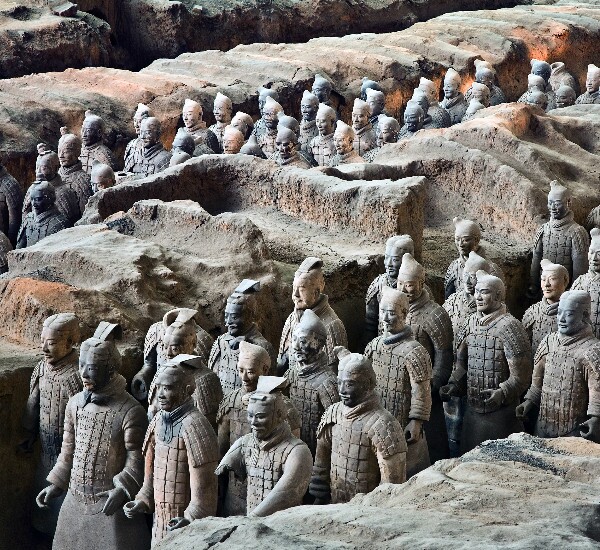
- Most popular choice for a bucket list trip
- Marvelous landscapes and the extraordinary culture
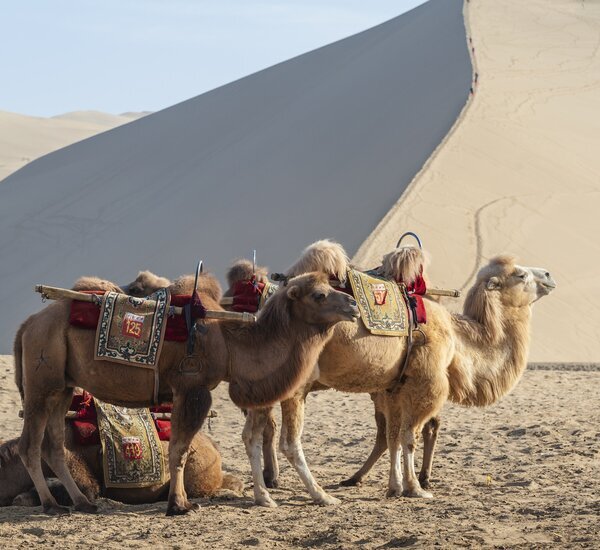
- Grasp the opportunity to see the Mogao Caves
- Paint your exclusive mural
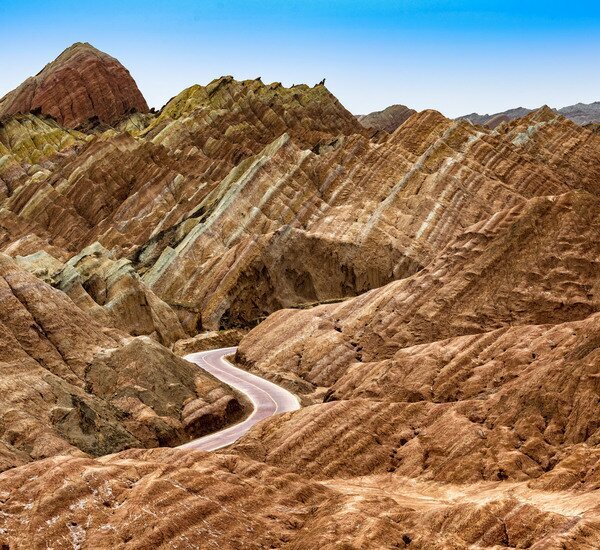
- Explore the Rainbow Mountains
- Admire the Valuable Cultural Heritage
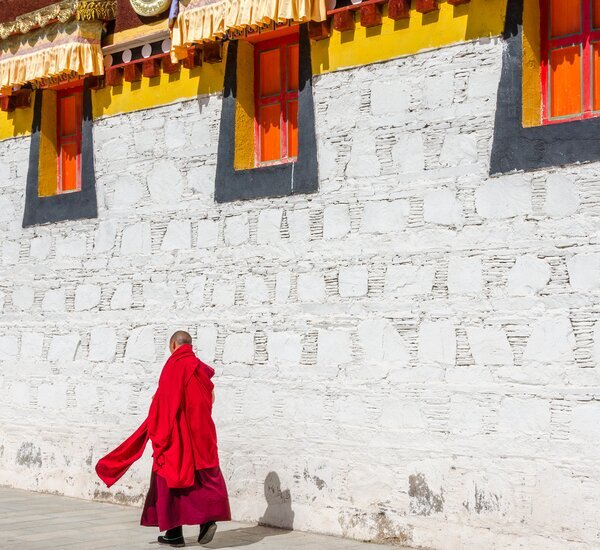
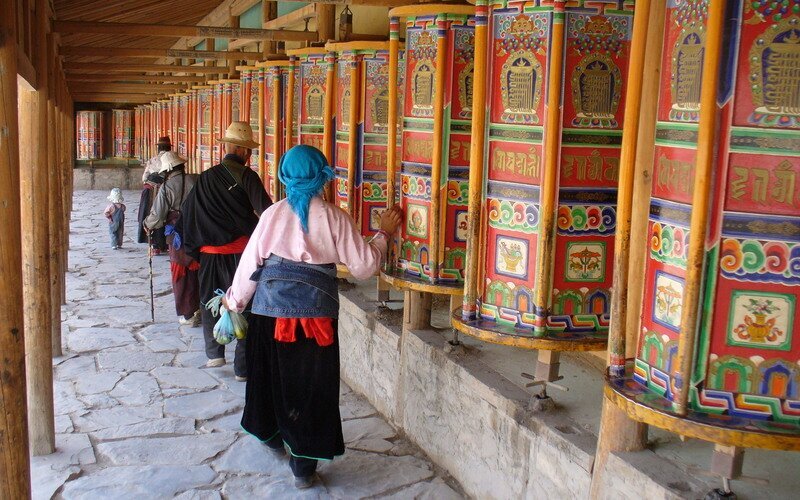
- Get A True Taste of Tibetan Culture Outside Tibet
- Enjoy the Breathtaking Views of Nuoergai Grand Prairie
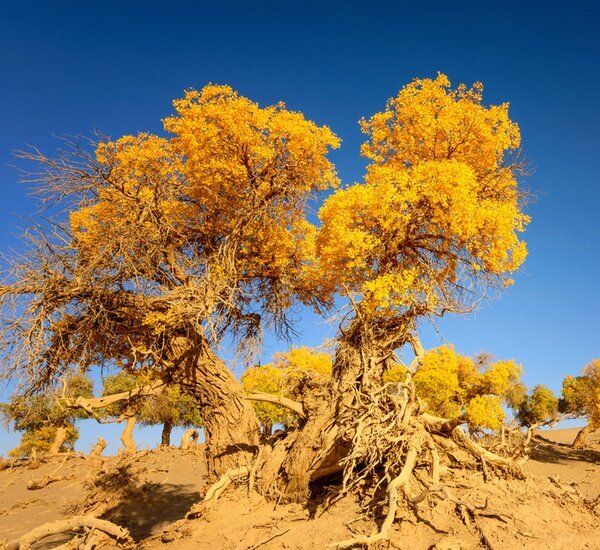
- Admire the splendid golden euphrates poplar forests
- Capture spectacular views of wild china
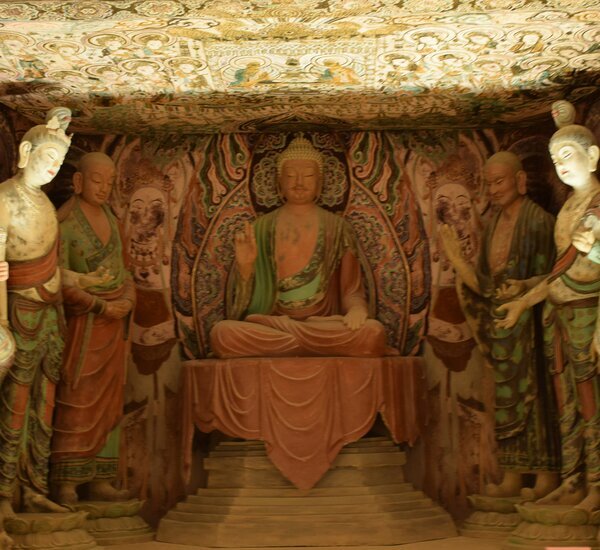
- Witness the wonder of buddhist art
- Visit the biggest Tibetan Monastery in Gansu Province
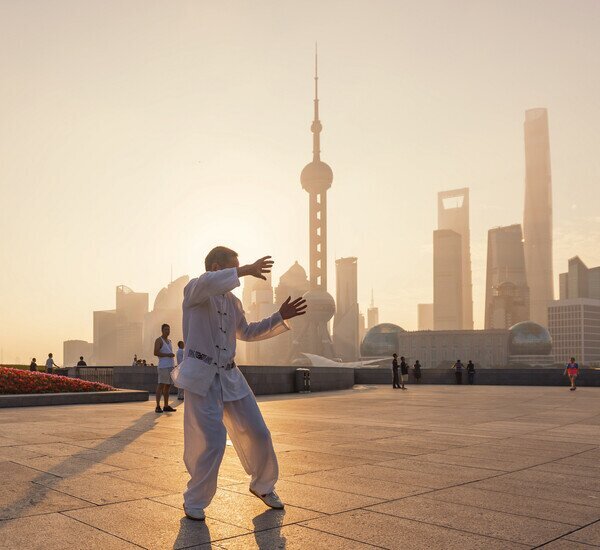
- The best choice for first-timers
- Discover the Silk Road Highlights
- The best choice for the retirees
- The most efficient and cost-saving destination connection plan
8 FAQs to Understand the Silk Road
The Silk Road was an ancient trade and communication route across the Eurasian continent, formally recognized in China during the reign of Emperor Wu (157–87 BC) of the Han Dynasty. It linked China with many regions of the Old World in commerce between 119 BC and around 1400 AD. In fact, the Silk Road can be divided into the “overland Silk Roads” and the “Maritime Silk Road”. Now, we usually refer to the northern overland Silk Road as the Silk Road in China.
China is the “hometown of silk”, and silk was the most representative of the goods exported by China on the Silk Road.
At the end of the 19th century, German geographer and traveler Ferdinand von Richthofen called the Silk Road routes die Seidenstrasse (‘the Silk Road’) or Seidenstrassen (‘silk roads’) in his book ‘China’. The term was quickly accepted by academics and the public, and “Silk Road” was formally accepted as a proper noun.
In 119 BC, the Silk Road started from Chang’an (now called Xi’an), China’s ancient capital, which was moved further east (and with it the Silk Road’s start) to Luoyang during the Later Han Dynasty (25–220 AD). The Silk Road ended in Rome.
Starting from ancient China, the northern Silk Road bifurcated through the five Central Asian countries (the Stans), and continued through Afghanistan, Iran, Iraq, and Turkey, then to Greece and Italy across the Mediterranean Sea.
The Silk Road was not a single thoroughfare.
The main northern route went from Xi’an/Luoyang through the Gansu Corridor to Dunhuang with two or three trails crossing the desert to Kashgar, then across Central Asia to Europe.
The southwestern Silk Road route (the Tea Horse Road) went from Yunnan and Sichuan through Tibet to India, and the Maritime Silk Road went via sea/ocean via SE Asia and India to the Middle East, Africa, and Europe.
The Silk Road promoted trade and commerce and cultural exchanges between European, African, and Asian countries. It generated the first upsurge of exchanges between China and the West.
Trade and travel between East and West caused revolutionary changes in everything from culture, religion, and technology to the emergence of huge empires and the disappearance of many small tribes, kingdoms, and empires.
The inventions of paper and gunpowder in China were so powerful that when the technology reached Europe, it enabled the Renaissance, the Protestant Reformation, and the scientific and industrial revolutions that transformed the world.
Paper enabled rapid publication, and gunpowder weapons changed warfare and enabled the destruction of older empires and the emergence of new nations.
Plagues spread and destroyed half the populations of large regions of Eurasia and new crops and technologies allowed the population in Eurasia to grow rapidly.
The Mongol invasions on the Silk Road routes imprinted Mongol ethnicity and language from Xinjiang to Eastern Europe.
Two of China’s major religions, Buddhism and Islam, were introduced mainly via the Silk Road.
The Han Empire initially wanted big central Asian horses for their cavalry. Initially, they mainly traded silk, but later paper and porcelain were also exported in exchange for precious metals, glassware, woolen articles, and other products all the way from Europe and Egypt.
The Silk Road trade continued over a roughly 1,500-year period. Trade grew and reached a height when the Mongols had control of Eurasia from China’s Yuan Empire (1279–1368) to Eastern Europe.
The fall of the Yuan Empire and increased Ming Dynasty (1368–1644) isolationism, the growth of silk production in Europe and elsewhere, and the growth of maritime trade effectively ended Silk Road trading in the 1400s.
Into the historical context of the Silk Road, a new Silk Road is coming into being. In 2013, China launched the Belt and Road (the Silk Road Economic Belt and 21st-Century Maritime Silk Road) Initiative (BRI). It focuses on the goal of promoting mutual development and prosperity.
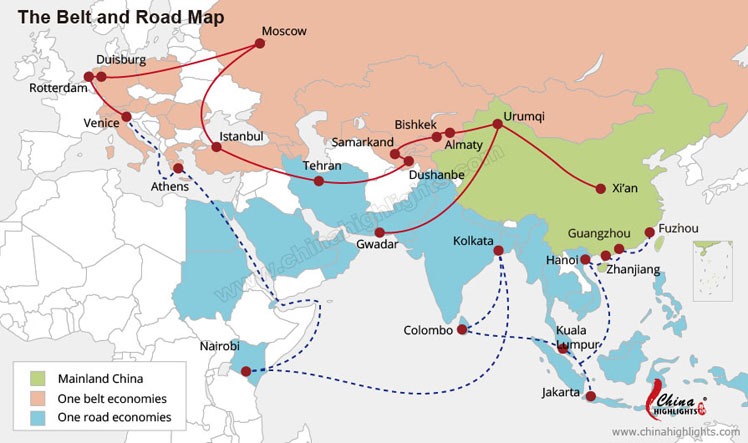
New trans-Asia transportation infrastructure: Substantial progress has already been made. The first freight trains from Europe to China began running in 2011 and have cut transit time from Germany to China from 50 days by sea to 18 days.
In 2018, a major 5,400-kilometer highway to St. Petersburg from the Yellow Sea was opened that allows vehicles to travel the distance in 10 days. This is a new travel option for economical tourism and sightseeing along Silk Road places.
The Silk Road has become a popular route for tourism. In Xinjiang and along the entire Silk Road from Xi’an to Kashgar and Altay in Xinjiang to Greece and Albania, Silk Road tourism is booming. Multi-country trips tracing the Silk Road route are becoming popular among both Chinese and Westerners.

Leave a Reply
You must be logged in to post a comment.