Massage, or 按摩 (ànmó), is a very popular type of therapy in China among locals and foreigners alike. Learning about the different types of massage and their Chinese names can help you choose the perfect one at a Chinese massage salon. Let’s check them out!
按摩 Massage
In Chinese, massage is known as “按摩” (ànmó), where “按” (àn) means “to press”, and “摩” (mó) means “to rub”.
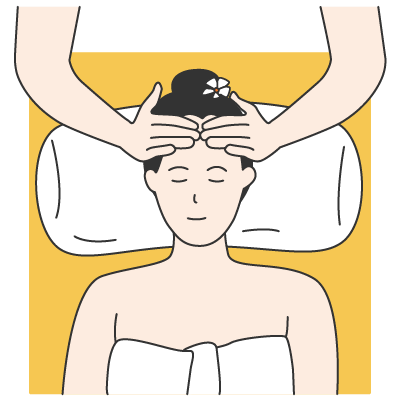
按摩
ànmó
massage
NOTE
The best way to find a good massage place, 按摩店 (ànmó diàn) is to simply ask — your teacher, colleagues, local or expat friends — to recommend you one. You can also try searching for “SPA” or “按摩 (ànmó)” on Dianping or Baidu, and then refine your search by rating, price, or location nearby.
Choose Your Type of Massage 💆
In China, you can experience a variety of massages, each offering unique benefits for relaxation and wellness. Choose one based on what you like:
01. Tuina, or Pressure Point Massage
推拿 (tuīná), is an ancient Chinese massage that’s been practiced for thousands of years. It’s believed to be the oldest system of bodywork – along with acupuncture, qigong, and Chinese herbal medicine.
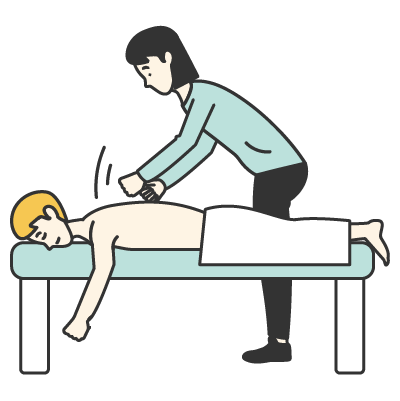
推拿
tuīná
pressure point massage
lit. “push-pull”
It is based on the theory that imbalances of 气 (qì), body’s vital source of energy, can create blockages and imbalances, which in turn can cause pain and illness. Thus, tuina massage stimulates the flow of 气 (qì) to promote balance and harmony within the body.
NOTE
Tuina is a safe and common type of massage in China, but remember that it’s not a gentle or relaxing massage. You may feel some discomfort during or after a session. At the same time, if you wake up with a stiff neck (落枕 làozhěn), tuina would be a good remedy.
– Duration: ~60 min
– Relaxation Level: 🌗🌑🌑
– Muscle Tension Relief: 🌕🌕🌕*
*This scale is subjective – use it for reference only 😉
02. Blind Massage
It’s thought that blind people have an enhanced sense of touch which compensates for their blindness, which makes them better masseurs, good at finding muscle knots.
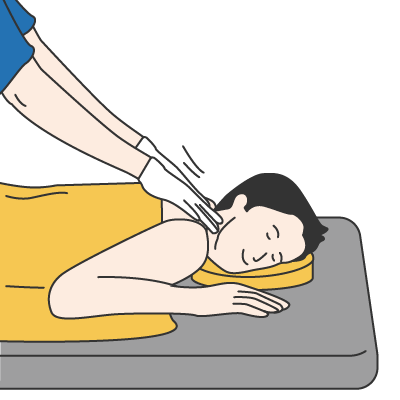
盲人按摩
mángrén ànmó
blind massage
lit. “blind-person-massage”
There is nothing shady about it; such massage places are run legally. For hundreds of years, blind people all over China have found employment as massage therapists.
NOTE
The phrase 盲人按摩 (mángrén ànmó) often appears in the name of the massage parlor, so you can search for it on Dianping or Baidu Maps.
Duration: ~60 min
Relaxation Level: 🌕🌑🌑
Muscle Tension Relief: 🌕🌕🌑
03. Foot Massage
Foot massage, known as 足部按摩 (zúbù ànmó) in Chinese, is a popular form of massage therapy. It is based on the belief that specific points on the feet correspond to different parts of the body, and by stimulating these points, it can promote health and well-being.
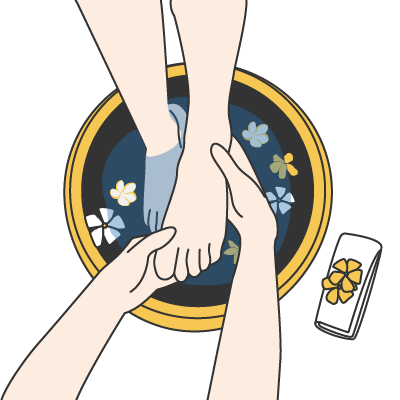
足部按摩
zúbù ànmó
foot massage
lit. “foot-part-massage”
Duration: ~60 min
Relaxation Level: 🌕🌗🌑
Muscle Tension Relief: 🌕🌗🌑
04. Oil Massage
Oil massage, or 精油按摩 (jīngyóu ànmó), is known for its ability to relieve stress, reduce muscle tension, and improve flexibility. It is also believed to have a range of other health benefits, such as boosting the immune system, improving sleep quality, and promoting detoxification.
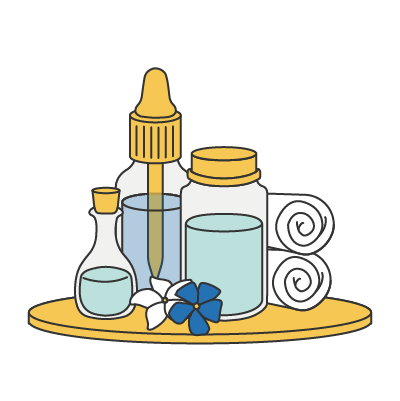
精油按摩
jīngyóu ànmó
oil massage
lit. “essential-oil-massage”
NOTE
Please note that oil massage can vary in intensity. If you go to a place that specializes in TCM-style massage, your experience will be much more intense. This kind of massage is called “meridian” therapy, which helps relieve muscle tension using essential oils.
精油经络
jīngyóu jīngluò
hot meridian oil physical therapy
lit. “oil-meridian”
Duration: ~60 min
Relaxation Level: 🌕🌕🌑
Muscle Tension Relief: 🌕🌗🌑
05. Head Massage & Shoulder Massage
If you don’t like a full-body massage (全身按摩 quánshēn ànmó), consider a head or shoulder massage. These treatments focus on relieving tension in specific areas like the neck, shoulders, and head, offering a more localized yet deeply relaxing experience.
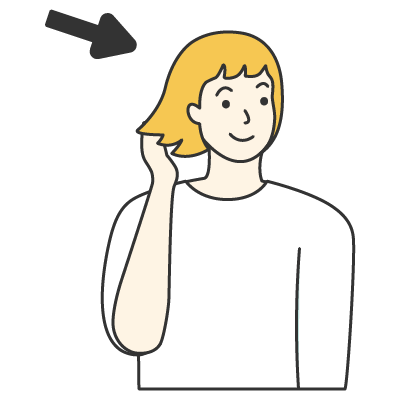
头部按摩
tóubù ànmó
head massage
lit. “head-part-massage”
肩颈按摩
jiān jǐng ànmó
shoulder and neck massage
lit. “shoulder-neck-massage”
NOTE
Keep in mind that head and shoulder massages are typically shorter in duration compared to full-body massages.
Duration: 20-30 min
Relaxation Level: 🌕🌕🌑
Muscle Tension Relief: 🌕🌑🌑
06. Hot Stone Massage
One more technique of massage that offers relaxing experience is 热石按摩 (rèshí ànmó), also known as hot stone massage.
The stones are placed on specific points on the body to warm and loosen tight muscles and balance energy centers in the body.
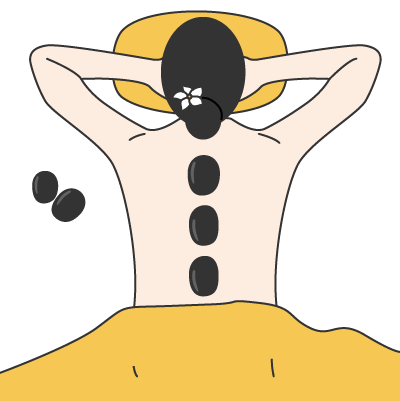
热石按摩
rèshí ànmó
hot stone massage
lit. “hot-stone-massage”
NOTE
If you’re concerned about high temperatures, don’t worry – during a hot stone massage, the therapist will heat the stones to a comfortable temperature that won’t cause discomfort. If at any point during the massage you feel that the stones are too hot, you can always let your therapist know by saying:
有点儿热,可以调低一点儿温度吗?
Yǒudiǎnr rè, kěyǐ tiáo dī yìdiǎnr wēndù ma?
It’s a bit hot. Can you lower the temperature?
Duration: 20-30 min
Relaxation Level: 🌕🌕🌕
Muscle Tension Relief: 🌗🌑🌑
Worth Trying: 采耳👂
If you’ve ever walked by a massage salon, you might have noticed a treatment with the character 耳 (ěr) 👂 in its name, which refers to the traditional practice of 采耳 (cǎi’ěr), or ear scooping. 采耳 (cǎi’ěr) is believed to have originated thousands of years ago and is still practiced in some parts of China.
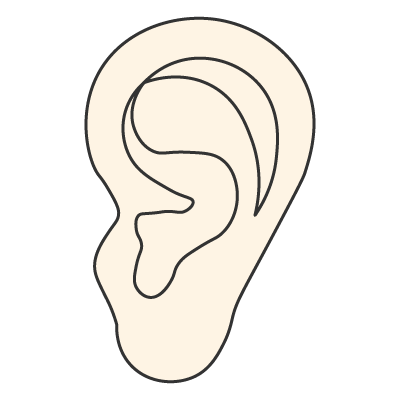
采耳
cǎi’ěr
ear scooping
lit. “to pick-ear”
During a 采耳 (cǎi’ěr) session, a small, scoop-shaped tool called an 耳勺 (ěrsháo) is used to gently scrape and scoop out earwax from the ear canal.
🤓 Some people find the sensation of having their ears cleaned to be soothing and calming. Have you ever tried this treatment in China?
Useful Phrases for Your Massage Session💆
If you feel uncomfortable during a massage session, you can politely ask the massage therapist to lighten the pressure by saying:
有点儿疼,你可以轻一点儿吗?
Yǒudiǎnr téng, nǐ kěyǐ qīng yìdiǎnr ma?
It hurts a little. Can you be gentler?
If you want the therapist to press harder on specific areas, you can say:
你可以帮我多按几下吗?
Nǐ kěyǐ bāng wǒ duō àn jǐ xià ma?
Can you press it a few more times?
重一点儿。
Zhòng yìdiǎnr.
A bit heavier.
Learn More About Life in China
Popular weekend activities, interesting facts about life of Chinese people, Chinese people’s hobbies, and more – learn more curious facts about life in China with our special blog session.

Leave a Reply
You must be logged in to post a comment.